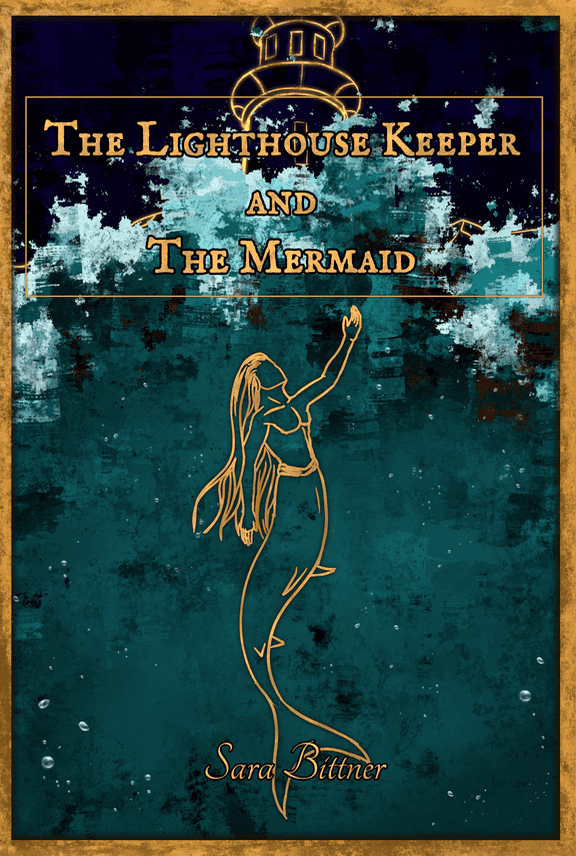

The Lighthouse Keeper and the Mermaid
I’ve been creating stories for as long as I can remember. Even before I started writing them down (which I started probably at 7), I was always lost inside the stories in my head. I then wrote a very tiny novella by 10 and completed my first full-length novel by 12. I kept going throughout childhood with writing books and fan fiction, and I think fan fiction really helped grow me as a writer since people wanted me to post often and they would comment and critique my work. Plus, I got to play with characters that I loved, so it was a ton of fun.
I kept writing, but it slowed down around college. I was raised in a way that made it seem that only certain professions were acceptable, so I studied computer science and physics and I got a job at a research lab. But my passion was always stories, and I felt stifled.
After some health problems, I started writing again, and I created my first published trilogy with the idea that I would also make it into webtoons (even though I couldn’t draw haha). It was definitely an experience, but it helped me get over the nerves of publishing, and I got to learn how to draw, which was interesting to say the least, but more importantly, I got to learn more about publishing and marketing a book, which helped a lot when The Lighthouse Keeper and the Mermaid was being published.
Now, I’m working on publishing my fifth book! It’s definitely been a journey.
Ah, so much research goes into it! I got the idea for The Lighthouse Keeper and the Mermaid while I was on a beach with a rescue station, and I immediately started googling what duties lighthouse keepers had as well as what exactly their lives would be like in the 1800s.
As far as how much research is needed, that kind of depends on how much is relevant to the story and how much I already know. For this book, for instance, I really only initially needed what her daily life might look like, since a lot of the book is focused on their relationship and the coastline. Perfecting little historical details for this story came in during editing when I checked if certain things would have existed during her time. For example, while editing I googled when matches were invented, and it turns out this story takes place before matches, so I had to switch what she used to flint and steel.
For other books like my Egyptian trilogy, so much more research was needed ahead of time. That series is heavily based off the gods and the myths, so I had to do the research on them, but I also had to do a lot of research on what daily life was like for ancient Egyptians as well as what their beliefs might be. It got to the point where I literally googled what the prevailing wind direction was!
Hopefully, readers who care about these things can enjoy these little details. To be fair, it’s very possible I overlooked something, but in the end, I hope the main thing that carries people through is the storyline and the characters.
My favorite part of self-publishing is that I get to tell the stories in the way that I would want to. I haven’t tried traditional publishing, but I have heard that at times editors might suggest tweaks based on tropes or what is popular.
I’m happy that I get to tell the story that I want. The hardest part is being found honestly. I had never tried marketing before this, and there are so many amazing authors out there that it’s hard to get noticed. It feels like screaming into the void at times.
Don’t give up. And also, just write. The judgment part can come later when you’re editing, but before that, let your heart roam free and write whatever it pleases. It’s amazing what can happen when you let a story flow.