
Cryosurge
The original concept and first draft of Cryosurge was conceived sometime in 2018 or 2019. It started as a passion project, something I dipped in and out of whenever time, mood, and the muse aligned. A quick look at the publishing landscape back then made two things painfully clear: my work didn’t fit any prevailing trend, and I wasn’t exactly the kind of author who ticked the industry’s preferred boxes.
Rather than spend months querying and firing off personalized emails destined for a slush-pile graveyard, I chose to self-publish. What I released was essentially draft 1.5. To say it didn’t make a splash would be generous, but that’s the nature of indie publishing without a social media presence, ad spend, or relentless grinding. I didn’t mind. I handed out author copies to friends and anyone even mildly curious, and moved on to other projects.
Except… I didn’t. The itch lingered. Over the following years, I re-read and revised Cryosurge several times. I shaved it down, sharpened it, cut out the unnecessary personal philosophizing, the cringy inside jokes for the party of one, and rebuilt the prose one paragraph at a time. What YPQ subscribers received in December is the fifth complete overhaul (and then some), officially re-released in early 2025.
Life isn’t a straight path, far from it. Cryosurge leans into that truth by following two deeply damaged protagonists who’ve lost pieces of themselves along the way. Their relationship (if we can even call it that in Book 1) isn’t built on tidy tropes or scripted chemistry. It’s shaped by trauma, instinct, and the strange ways people try to survive themselves.
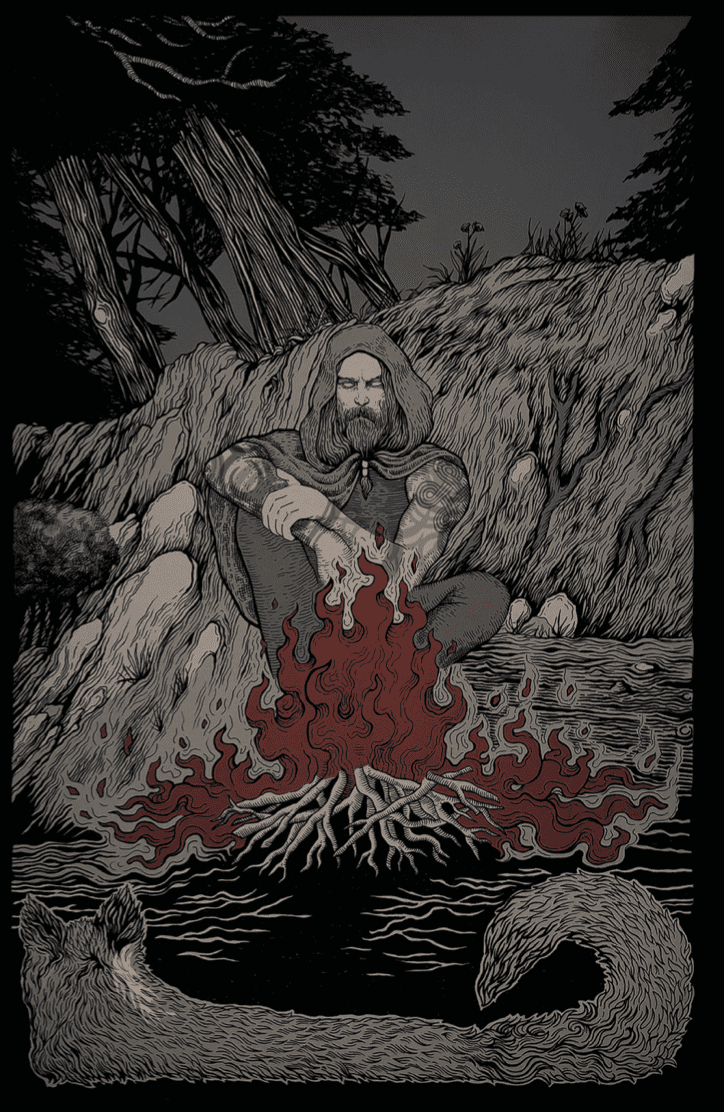
Idd, the solitary Frost-shaman, handles love like a dangerous abstraction. Longing confuses him, intrudes on him, and exposes the parts of his psyche he’s spent years burying. He’s the kind of person who retreats inward, who hides from the past because facing it feels like walking barefoot into a blizzard.
Korthe is the opposite. She charges headfirst into the fire and hopes forward momentum keeps her from collapsing. She avoids reflection not by withdrawing but by accelerating. Stopping—truly stopping—would force her to confront everything she’s outrunning.
Balancing their relationship meant embracing that dichotomy: Idd fears the future. Korthe flees the past. They’re two sides of the same coin, shaped by different scars, reacting in opposite ways. Their connection is fragile, messy, and often uncomfortable, which is exactly why it feels real. And it becomes far more pronounced in the sequel, Crimson Dusk.
I’ve always been an intuitive world-builder. Mood, geography, and atmosphere tend to arrive as a kind of internal weather system rather than a list of deliberate influences. I’ve always loved building maps, sketching out cultures, and engineering mechanisms or social dynamics (mainly for my TTRPG homebrews), but I can’t point to a single clear source of inspiration. The world of Cryosurge grew out of instinct, curiosity, and years of absorbing everything from history to folklore to the natural world.
Advice? It’s this: trust the parts of your imagination that feel effortless. The things you think you’re “just making up” often become your strongest features. Study craft, absolutely—but let intuition steer your world-building. Atmosphere comes from details you choose instinctively because they feel true, not from chasing trends or forcing what “should” be there. Build the kind of world you’d want to wander through, even if you can’t explain exactly where it came from or why you like it so.
I still consider myself a hobbyist at heart. I’ve written and self-published two books, with more projects queued up, and I’m still learning like everyone else. But if I had to give new indie authors anything, it would be this: what you give is usually what you get. Indie success happens, across every genre, but the world doesn’t owe you an audience. Most of the time, you’re shouting into the void, and then, occasionally, the void answers. That’s the job.
Write for yourself first—you’re your first editor, critic, and fan. Focus on finishing what you start. Unfinished projects are silent killers of momentum, they drain attention and pile on guilt. Commit, complete, and move forward. Everything else is noise.
Oh, and do submit to YPQ when you’re ready. Best spontaneous decision I’ve made as an author.