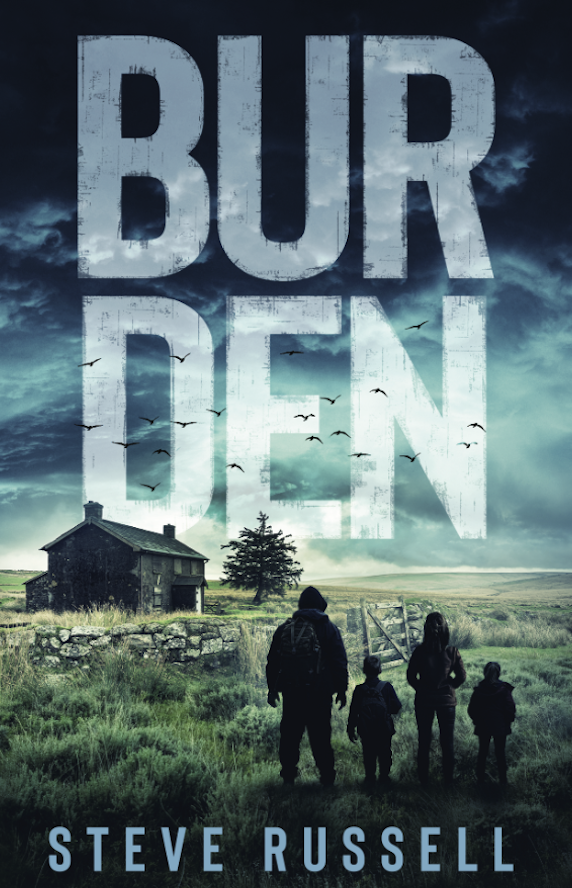

Burden
This is going to be a super obvious answer, but it remains true despite that: It’s to discover different voices, journeys, and stories.
From a writing perspective, this can also lead to encountering new storytelling techniques, especially if the author does something unique. Certain scenes can be depicted in a novel way, whether through presentation and formatting or in how the writer paces or delivers a narrative revelation.
The support part of this question is interesting to dive into, because, in my experience, it’s so huge as a concept and as an actionable thing. Support can look like different things to different people, but without authors being actively supported (which I personally define as any combination of…buying the book, reviewing the thing, telling friends/family, and/or mentioning it/recommending it online), indie voices will eventually fall silent or simply die out, leaving only Big Publishing and trad books that all look or feel the same.
The game is already so heavily skewed, but I believe there’s plenty of room around the campfire for everyone, trad and indie, and it’s worth keeping an open mind towards any story within genres you love. But explore the indie space a bit and you may just find your new favourite author delivering unexpected takes within familiar genres that simply wouldn’t exist within a mainstream space!
Looking outside the publishing bubble for a second, we live in an oversaturated attention economy, right? Loud ‘content creators’ incessantly create vapid ‘content’ (hate that word) for clout and attention, making it difficult for authors to stand out in the first place. It’s already an uphill battle, and without active support it may not be long before a writer becomes disillusioned, disheartened, and, ultimately, stops creating, meaning a few things:-
The story or series you enjoy may come to an abrupt halt or never be completed
– The homogenous takeover of literature continues with the same stories, tropes, characters, covers, etc, filling the shelves of Waterstones and Barnes & Nobles
It’s a stark reality that indie bands, filmmakers, and artists also have to contend with. Sticking out from the crowd, making people aware their ‘thing’ (book, movie, video game, album, whatever) exists at all is hard enough when in competition with mainstream labels, production companies, etc, who have extensive marketing budgets. Indie authors, however, are already on a relative back foot thanks to a staggering decline in reading worldwide—both in terms of basic comprehension and, importantly, y’know, reading for pleasure—coupled with the continued stranglehold mobiles phones and brain rot content have over the populace.
So if you’ve found an indie author, book, or series you enjoy, become a vehement, vociferous, vocal champion! Tell your friends, share the author’s posts, engage with them online, buy their books and/or merch if they have any, review the novel to help others discover it, and be loud and proud of being a fan—because without that kind of active support and momentum, who knows, the author who could have written your new favourite story/series may never end up trying, and all you’ll be left with is endless rehashes of the same thing on bookstore shelves. A copy of a copy of a copy…
Plus, and I absolutely guarantee this…it would totally make the author’s day.
Week?
Month.
It’d make their month.
Just to preface this answer, I’ve said this before, but I’ll say it again: Being involved with Your Paper Quest has been one of the most validating things I’ve experienced since I began writing. Being a two-time featured author makes it all the more special despite the bittersweet nature of this final box’s inclusion of Burden.
Through YPQ, I’ve been introduced to stories I, quite frankly, wouldn’t have found or discovered. The current landscape of indie writing being what it is (especially with the present threat of AI bullshit proliferating, well, everything…) makes it difficult to stand out as an author, and in turn makes it tricky to discover other indie authors or stories without research or word-of-mouth recommendations, so I’m grateful to have had people point me to stories that have often been outside my preferred genres. From a creative standpoint, this has been a fantastic learning tool as it allows me to get to grips with various novels and structural approaches, understanding and dissecting why something did or didn’t work for me from a writer’s perspective.
Insofar as experiences, man, there’s been a few: being on panels, attending career fairs, taking part in interviews about my books and writing process, and even getting my books into libraries and brick-and-mortar comic book stores! The majority of these things came off the back of highlighting that Steen and now Burden were featured in a subscription box.
From a more personal perspective, being part of YPQ has allowed me to connect on a more meaningful level with quite a few readers who enjoyed my books. Whether it’s via email, social media, or by seeing the comments on the YouTube interviews, what matters most to me is seeing a genuine connection with the stories, characters, and journeys because, surprise, surprise, I want people to love Steen and Raph as much as I do. I want them to want more and to be excited for what comes next. I want them to be moved by Owen and his family’s struggle to survive in Burden’s post-societal England. Hearing that these stories have resonated is such a humbling, gratifying, and powerful motivator.
YPQ participation has also bolstered my confidence as an author, as I’ve been looking into attending conventions in the future, meeting readers and hopefully making new fans in person up and down the country if I’m able to! So if you’re reading this and I’m at a con near you, come by and make sure to say hi!
I also saw a spike in subscriptions to my newsletter, The Recap. I’m not super active on social media—I don’t like what social media is and don’t like to play that game, but when I do post, I tend to share pop cultural observations or thoughts on things I’m into like pro wrestling, BJJ, ice hockey, or the Canucks—so the newsletter allows me to connect and contact my readers in a deeper, personal way, sharing behind-the-scenes updates on my writing, process, and progress. It also comes with a little section sharing life updates and includes a personal recommendation from something I’ve enjoyed that month! If you’re interested, you also get free short stories upon subscribing; one is a prequel story to Steen and the other is a crossover short set within my Ultraverse series, featuring characters that appear in the sequel due later this year! Engaging with readers who are responding to the stuff I’ve recommended, who want to tell me they’re excited for what’s next, or even relating to what I’ve been up to AFK, has been amazing.
I touched on this earlier, but to put it plainly: indie stories tend to take interesting risks, twists, and turns. They aren’t always safe, boring, manufactured, or predictably plastic. Like being indie in different creative mediums, the end result tends to be more creatively true, free, and punk rock compared to their mainstream pop alternatives. Granted, there’s nothing wrong with pop from time to time, but every so often you may want something grittier or less cookie-cutter…and that’s where indie can shine.
It’s fair to say that most stories have been done to death, and it’s been said there is no such thing as a new idea—just look at the amount of fairy-tale re-imaginings—which makes the writing style and creative approach key to differentiating a book from others. There are arguably more unique stories coming from indie authors compared to the deluge lining the shelves of any modern mainstream bookstore because it’s the indie author who is willing to take creative risks with story, character, and development. To stress: this isn’t a hard, chiselled-in-stone rule. There are plenty of trad books willing to take chances; it’s just more likely to be seen within the indie sphere.
Don’t get me wrong, with how self-publishing works and the sheer amount being uploaded every day, not all of it is going to be good. Just like not all of it is being written with pure intentions of creative expression and thematic exploration (and that’s before we consider the AI slop flooding the marketplace!). Indie authors typically have the bad rap of being ‘bad writers’ or ‘not real writers’ compared to their trad cousins because of this issue, putting their books at an immediate disadvantage compared to those released by Big Publishing, as if everything released traditionally is de facto ‘good’.
The very first challenge for most indie authors with books they’ve obsessively edited, honed, and hewed is simply overcoming the initial hurdle of others’ pre-conceived ideas of what it means to be self-published and finding an open-minded audience. It’s why something like YPQ was so important: with YPQ’s stamp of approval, it immediately validated some great stories, gave the authors their flowers, and let people know that indie authors are valid with stories that matter.
Again, plenty of room around the campfire for indie and trad. Different folks, different strokes and whatnot, but it all comes down to what you enjoy, want to read, and are willing to try, but, for me, it’s the indie spirit’s willingness to subvert expectations and be unafraid of swinging big that makes them stand out. Not a golden rule, sure, and, yes, pretty much all stories adhere to a familiar structure, creating familiarity and a modicum of expectation, but the smaller choices between the core beats—the events that take place between getting from A to B—can be pretty interesting within the indie sphere. Some work, some don’t, but I personally admire the chances taken in pursuit of story, whether it’s an emotional beat, character choice, action moment, or whatever else.
A handsome, talented author once said, “Everything to service the story. Always.”
I can’t remember who it was, but I bet they’re really smart, have lots of cool caps, and supports an awesome hockey team…
Honestly…and I’ve not been paid to say this…start by following Steven William Hannah on Twitter. That dude reads more indie stories than anyone I’ve ever met. Plus, he compared Steen to Constantine, which I still think is pretty awesome.
I’d also recommend following your favourite indie authors online, be it on social media or their newsletters. More often than not, they’ll end up championing the work of other indie authors or perhaps share stories that captured their imagination. As a more out-of-the-box suggestion, check out a book’s page on Amazon. Scroll down, and you can see what other people have bought; you’ll find novels in the same genre or by other indie authors, kind of like Spotify’s ‘Fans also like’ section, but for books. Podcasts and YouTube, too. Find podcasts and channels that interview indie authors or feature indie books, and you’ll learn so much about their process, stories, and who helped inspire them.
Finally, start recommending your favourite indie reads and authors on social media and, crucially, ask for recs in return. This will probably fill your TBR pretty fast, and not everything will be to your taste, natch, but connecting with other fans over books is a great starting point to discover other indie voices and authors, and, who knows, you may even make a friend or two along the way.